Sie haben keine Artikel im Warenkorb.




Nahrung ist ein kostbares Gut, sie hat Macht, sie kann ein Protest oder ein Akt der Fürsorge sein, sie kann kontrollieren, sie nährt uns nicht nur biologisch, sondern auch sozial und kulturell. PhotoIreland brachte Künstler und Fachleute zusammen, um verschiedene Aspekte der Lebensmittelproduktion und des Lebensmittelkonsums zu hinterfragen, manchmal um ein Problem hervorzuheben, eine Frage zu stellen und manchmal eine Lösung zu bieten, was es bedeutet
zum Füttern und Essen.
Um einen sachdienlichen und frischen Diskurs zu fördern, wurden eine Reihe von Fachleuten außerhalb der Kunstwelt eingeladen, gemeinsam mit den Künstlern die angesprochenen Themen zu diskutieren. Dies wiederum bot einen tieferen Raum, in dem Fotografie und Kunst in anderen Disziplinen interpretiert und in unserem gesellschaftlichen Leben herausgearbeitet werden können.
“The images of protest taken by Rose Comiskey between 1984 and 1992 are vibrant records created by an activist photographer from within the movement. When coupled with the personal testimony of her fellow agitators this book presents a cogent and compelling picture of a period of political and social turmoil in Ireland … [Acts of Defiance is} both a lasting record of past achievements and a blueprint for how to enact future change.” From the foreword by Orla Fitzpatrick
ORDER HERE →„The Holding Place“ ist eine Meditation über die physische, psychologische und politische Landschaft der Mutterschaft. Die kleine Welt, in der sie leben, die wiederkehrenden Tagesabläufe, die knappe zur Verfügung stehende Zeit und die Intimität der Mutter-Kind-Beziehung prägen die Arbeit. In „The Holding Place“ verschwimmen Persönliches und Politisches, während die Künstlerin einen rohen und ehrlichen Dialog führt und die emotionale Komplexität und Herausforderungen der Mutterschaft erforscht.
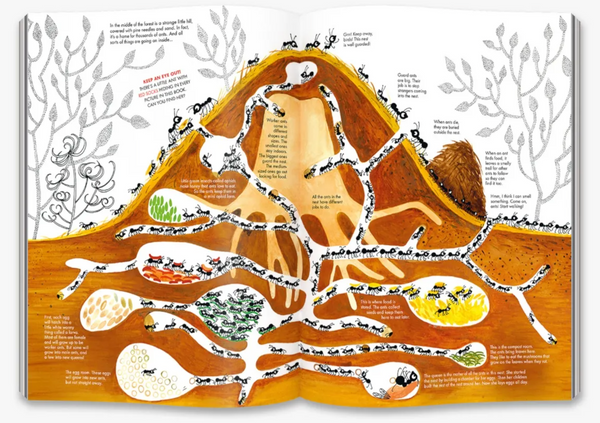
Holen Sie sich JETZT IHR →Inspired by the great works of Oscar Wilde, people of all ages can enjoy Growth's colour and texture filled pages that tell the tale of a dragon learning the importance and joys of others' company.
GET YOUR COPY →In ẸWÁ ÍRÚN ,is a powerful visual journey documenting the cultural significance of Black hair.
Through the lens of Ólámídé Ojégbenro, this photo book explores the rich traditions, contemporary styles, and artistic expressions found within Black and African communities.
This September, The Library Project art bookshop transforms its space to accommodate an exhibition by Black Church Print Studio. Bookshop visitors can still browse and shop online at thelibraryproject.ie with free collections being facilitated and international postage available.
Join us on Saturday 22nd August at 4pm for a special event and book signing with Turkish artist Nazlı Yıldırım in celebration of their work Seninle Başım Dertte/I'm in Trouble with You